

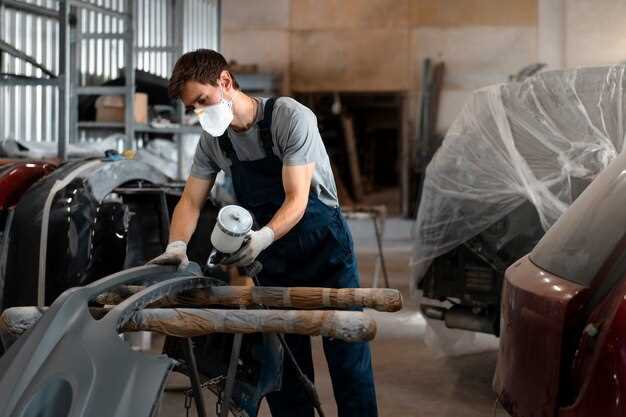
Classic car restoration is a labor of love that requires not only skill and dedication but also a keen understanding of sourcing authentic parts. As enthusiasts strive to return these vehicles to their former glory, the challenge of finding genuine components becomes crucial. Using original parts not only maintains the car’s value but also ensures that the vehicle retains its historical integrity.
When beginning the restoration process, it’s essential to prioritize the sourcing of authentic parts. Modern aftermarket replacements may be readily available, but they often lack the quality and fit of original components. This makes it imperative for restorers to identify reliable suppliers who specialize in classic car parts, thus enhancing the overall restoration experience.
Engaging with communities of classic car enthusiasts can significantly streamline the sourcing process. These networks often provide valuable insights into reputable vendors, as well as tips on where to locate hard-to-find pieces. Additionally, leveraging online marketplaces and specialty swap meets can lead to discovering authentic parts that are essential for a successful restoration project.
Identifying Reliable Sources for Classic Car Parts
When it comes to classic car restoration, sourcing authentic parts is crucial for maintaining the vehicle’s integrity and value. Identifying reliable sources for these parts requires thorough research and a keen eye for quality.
Start by exploring specialty shops that focus on classic cars. These businesses often have established relationships with manufacturers and suppliers who specialize in vintage components. They typically offer a range of parts, including hard-to-find items, ensuring that restorers can find exactly what they need.
Online marketplaces can also be valuable resources. Websites dedicated to classic car enthusiasts frequently list parts for sale by individuals or dealers. However, it’s essential to check seller ratings and reviews to avoid purchasing counterfeit or subpar components. Joining forums and online communities can provide insights into trustworthy sellers.
Networking with local car clubs and attending classic car shows can yield leads on where to find authentic parts. Enthusiasts often share their experiences and can recommend reliable suppliers. Additionally, these events may have vendors specializing in hard-to-find parts, enabling direct purchases and expert advice.
Consider contacting the original manufacturers or authorized dealers for specific components. Many companies that produced parts for classic cars still exist, and they may offer reproduction parts that are faithful to original specifications. This option often guarantees better quality and authenticity compared to generic alternatives.
Lastly, be cautious with aftermarket parts. While some aftermarket suppliers produce high-quality replacements, others may compromise on materials and craftsmanship. Always verify the reputation of any aftermarket manufacturer and seek recommendations from fellow restorers before making a purchase.
Verifying Authenticity of Restoration Parts
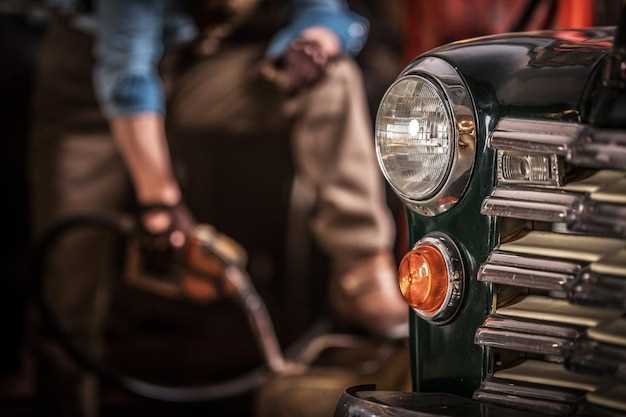
When engaging in classic car restoration, verifying the authenticity of parts is crucial for maintaining the vehicle’s value and integrity. The process of sourcing restoration parts can be fraught with challenges, as counterfeit or incorrect components may infiltrate the market. To ensure that you obtain genuine parts, follow a systematic approach.
First, research the specific part you need. Understanding the part’s original specifications, including manufacturer details, model compatibility, and production years, will provide a baseline for authenticity. Utilize trusted resources such as classic car clubs, forums, and official publications.
Next, seek out reputable suppliers who specialize in classic car parts. These vendors are more likely to have vetted their inventory for authenticity. Look for suppliers who offer documentation or provenance for their parts, which may include original invoices, certificates, or compatibility guarantees.
Examine the parts carefully upon receipt. Authentic components often exhibit certain characteristics, such as unique stampings, specific materials, and quality craftsmanship. Compare the part with original examples, if accessible. Any discrepancies should raise red flags.
Lastly, consider joining a network of enthusiasts or experts in classic car restoration. Engaging with this community can provide insights on reputable sourcing avenues, as well as tips for identifying genuine parts. Sharing experiences with others can significantly enhance your ability to verify authenticity.
Strategies for Negotiating Pricing on Classic Car Components
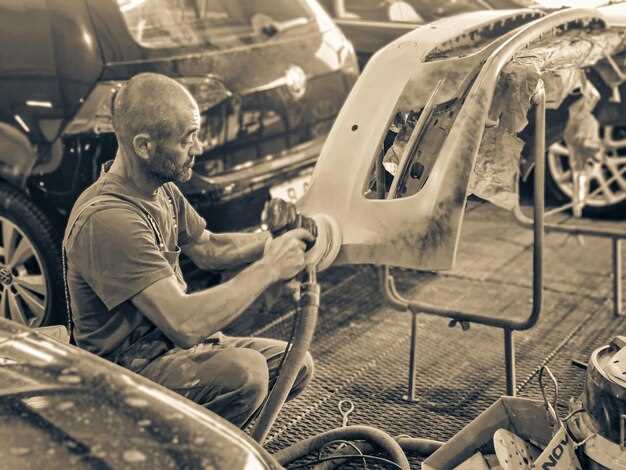
When it comes to restoring classic cars, sourcing authentic parts is crucial, and effectively negotiating their prices can significantly impact your budget. Here are several strategies to consider when negotiating pricing on classic car components:
1. Do Your Research: Understanding the market value of the parts you need is essential. Conduct thorough research using online forums, classic car clubs, and auction sites to find average prices for specific components. This knowledge will provide you with a solid foundation for negotiation.
2. Build Relationships: Establishing a rapport with sellers can yield better pricing. Attend classic car shows, join restoration clubs, and network with enthusiasts. A strong relationship may encourage sellers to offer you discounts or first access to new parts.
3. Leverage Multiple Quotes: Don’t settle for the first price you encounter. Reach out to multiple suppliers for quotes on the same parts. Having competitive offers can strengthen your position during negotiations and help you secure a lower price.
4. Consider Bundling Purchases: If you’re looking for several parts, approach sellers with a proposal to buy in bulk. Offering to purchase multiple components at once can lead to significant savings, as many sellers are willing to provide discounts for larger transactions.
5. Be Prepared to Walk Away: One of the most powerful negotiation tactics is the willingness to walk away if the price does not meet your budget. This demonstrates to the seller that you are serious and may lead them to reconsider their pricing to keep your business.
6. Utilize Seasonal Sales: Timing can be a critical factor in negotiation. Many suppliers have seasonal sales or clearance events, especially after the car show season. Taking advantage of these times can allow you to acquire parts at lower prices.
7. Ask for Discounts: Don’t hesitate to simply ask for a discount. Many sellers expect this. Whether you mention your budget constraints or your enthusiasm for the vehicle, a polite request for a better price can often lead to a favorable outcome.
8. Demonstrate Your Commitment: Show that you are genuinely interested in the parts and the restoration process. Sharing your project details and your passion for classic cars can make sellers more inclined to accommodate your pricing needs.
By implementing these strategies, you can improve your chances of securing authentic parts at prices that work for your restoration project, ensuring that you maintain the integrity of your classic car without overspending.